

Last July, we broke down the $1 trillion in Medicaid cuts passed through the One Big Beautiful Bill Act, a bill that is putting 17 million people at risk of losing coverage. Now we’re seeing the consequences right here in California.
The coverage still exists. Families are leaving anyway.
A KFF Health News analysis found that almost 100,000 immigrants without legal status left Medi-Cal between June and December 2025 — representing about a quarter of all disenrollments in that period, even though this group makes up only about 11% of Medi-Cal enrollees. Many of the people walking away still qualify. They’re not being removed. They’re walking away out of fear.
This isn’t just affecting undocumented immigrants. A KFF/New York Times survey found immigrant adults nationally — especially parents — are increasingly avoiding government programs that help pay for food, housing, or healthcare to avoid drawing attention to their or a family member’s immigration status. That included lawfully present residents and naturalized citizens. And for those who stay enrolled, a new layer of red tape is coming. Starting January 2027, adults on Medicaid will be required to document 80 hours a month of work or community service and prove it — on paper, every six months. That’s an average of 20 hours per week. Experience from prior work requirement implementations shows that more people lose coverage because of technical violations — missed deadlines, paperwork errors — than for actually failing to work.
This is fear and bureaucracy operating as policy. And it is working exactly as designed.
One of the policies behind the fear.
A new “public charge” proposal, if enacted, could block certain immigrants from obtaining permanent legal residency if they or family members have used public benefits, including Medicaid — with one analysis estimating it could result in up to 4 million people disenrolling from Medicaid or CHIP, including as many as 1.8 million citizen children.
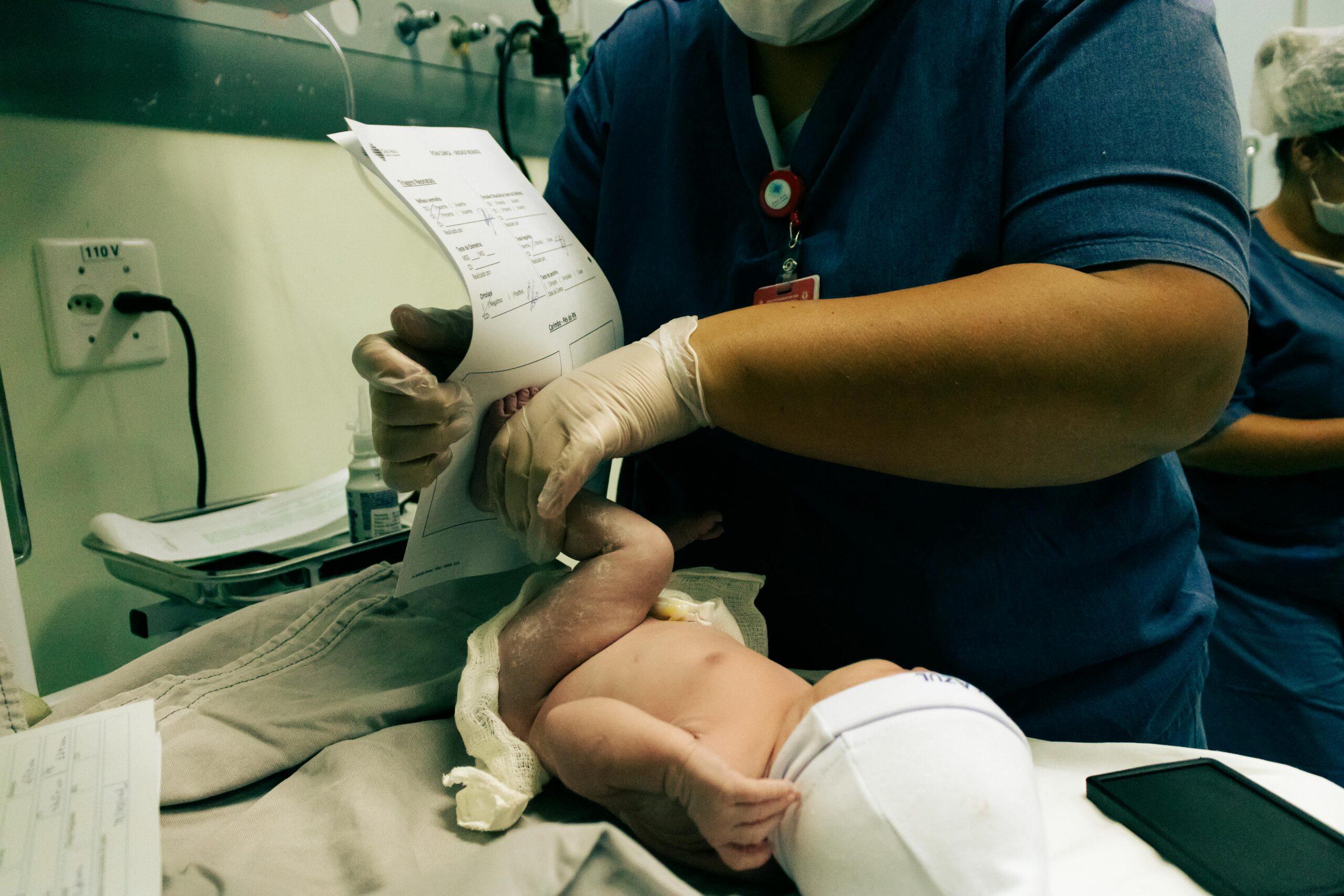
For postpartum families, this is not abstract. Medicaid funds 41% of all births in this country. It covers mental health care, postpartum checkups, and the follow-up appointments that catch what goes wrong after birth. In an already strained system, losing these families widens gaps that were never closed to begin with — with life-threatening consequences.
Parental avoidance is particularly concerning because about 1 in 4 children in the U.S. have an immigrant parent, even though most of those children were born in the U.S. These are American children losing access to care because their parents are afraid.
This is why 4th Trimester continues to show up — in community, in policy, and in the fight for every postpartum family’s right to care. Postpartum care is medical, economic, and social — and policy attacks on all three fronts. We’re working to change the conditions that make postpartum so hard in the first place. You can too: call your representatives and urge them to oppose the public charge rule. This proposal isn’t just an immigration policy — it’s a maternal health crisis in the making.


