
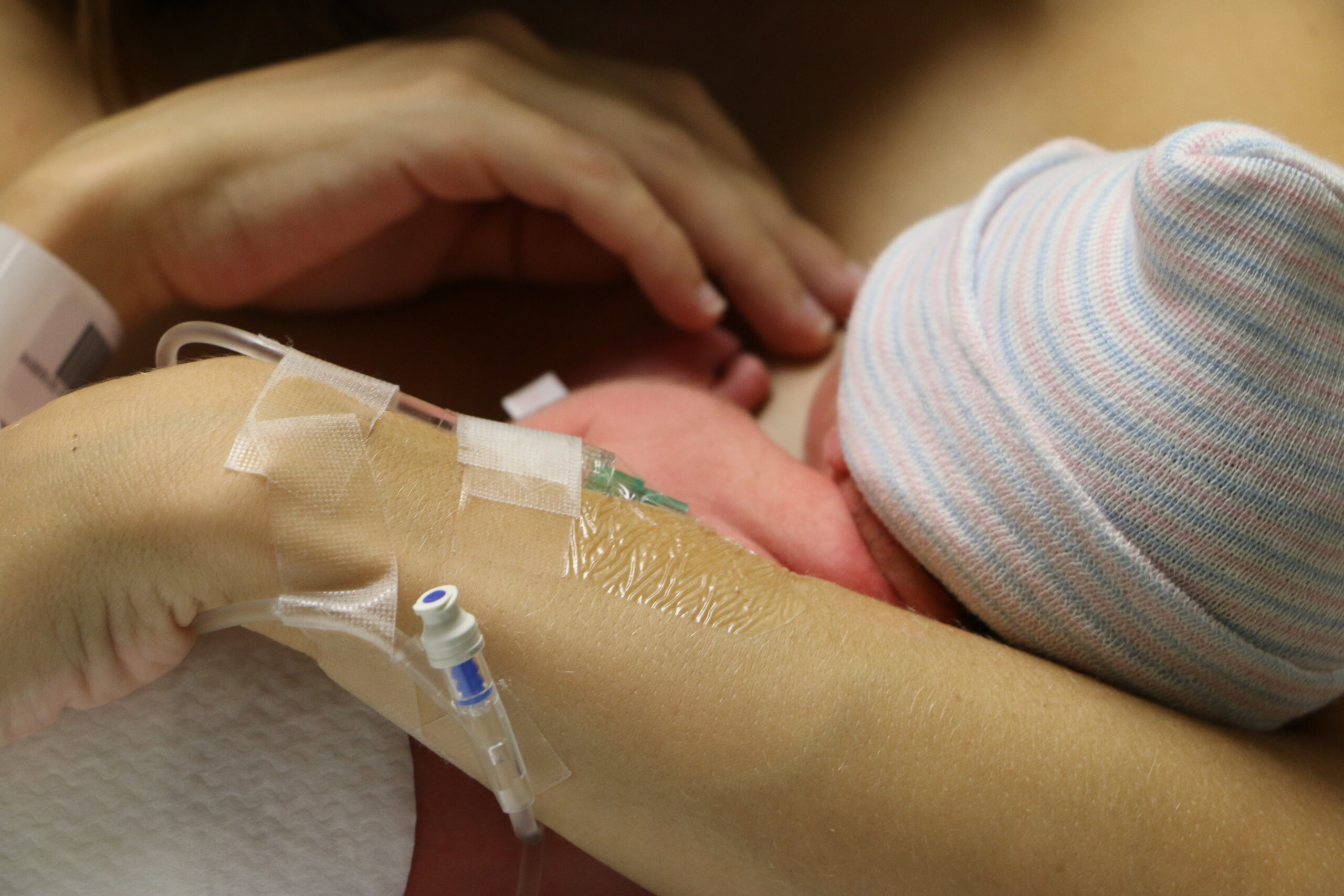

A recent survey of 2,000 mothers found the average breastfeeding parent spends about three hours a day nursing in their baby’s first year — more than 23 hours a week, nearly 100 hours a month. [Source] Pumping adds even more: cleaning equipment, storing milk, planning around feeding times can eat up nearly as much time as nursing itself. That’s not a metaphor. That’s a second job, stacked on top of recovery, on top of sleeplessness, on top of everything else a new parent is already expected to hold.
Breastfeeding is recommended for good reason — it lowers infants’ risk of infection and supports mothers’ own postpartum recovery. But knowing why it matters was never the hard part. Doing it, hour after hour, without support, is.
We talk about breastfeeding like it’s free. It isn’t. It costs sleep, time, strain on the body that just went through labor — and something harder to name: the mental load of being the only one who can do it, at 3 a.m., again.
Here’s a number worth sitting with: mothers’ milk contributes close to $4 trillion to the global economy every year. [Source] In the U.S. alone, breastmilk production has the potential to be worth more than $110 billion annually — but nearly two-thirds of that value is lost, because most mothers stop breastfeeding earlier than they intended to. [Source] That’s not a story about willpower. It’s what happens when real labor goes uncounted.
When There’s No Time, No Space, No Equipment
1 in 4 U.S. mothers return to work within just two weeks of giving birth (Source) — still healing, still establishing a milk supply that depends on consistent removal to keep going. National data shows the resulting drop-off: 83% of mothers start out breastfeeding, but by three months only 45% still are, and by six months it’s down to 25%. (Source) That decline tracks almost exactly with when parents are pushed back to work without the leave or the workplace accommodations to keep feeding going.
This isn’t a failure of commitment. It’s what happens when a body’s needs and a paycheck’s demands were never designed to fit together.
Three out of four mothers who return to work within two weeks say they did it out of financial necessity — not because they were ready. (Source) No income means no time. No time means feeding stops. And somehow she’s still the one who gets judged for it.
The Support We’re Building
That’s the entire idea behind RISE. Direct cash, put straight into a mother’s hands, so she can decide for herself what her family needs most — more time before returning to work, a reliable pump, help with rent so the return to work isn’t rushed. No caseworker deciding for her. No conditions on how she spends it. Will you join us in making that kind of support real for the mothers doing this labor alone? Your gift today helps us get RISE off the ground and into the hands of the families who need it most.


